Why Glossy Posters and Medical Lectures Fail
I remember visiting a community center in a small town a few years ago where a health department had put up dozens of bright, expensive posters. They were filled with medical statistics, technical terms about metabolic disease, and dense paragraphs of text. I stood there for half an hour watching people walk past them without giving them a second glance.
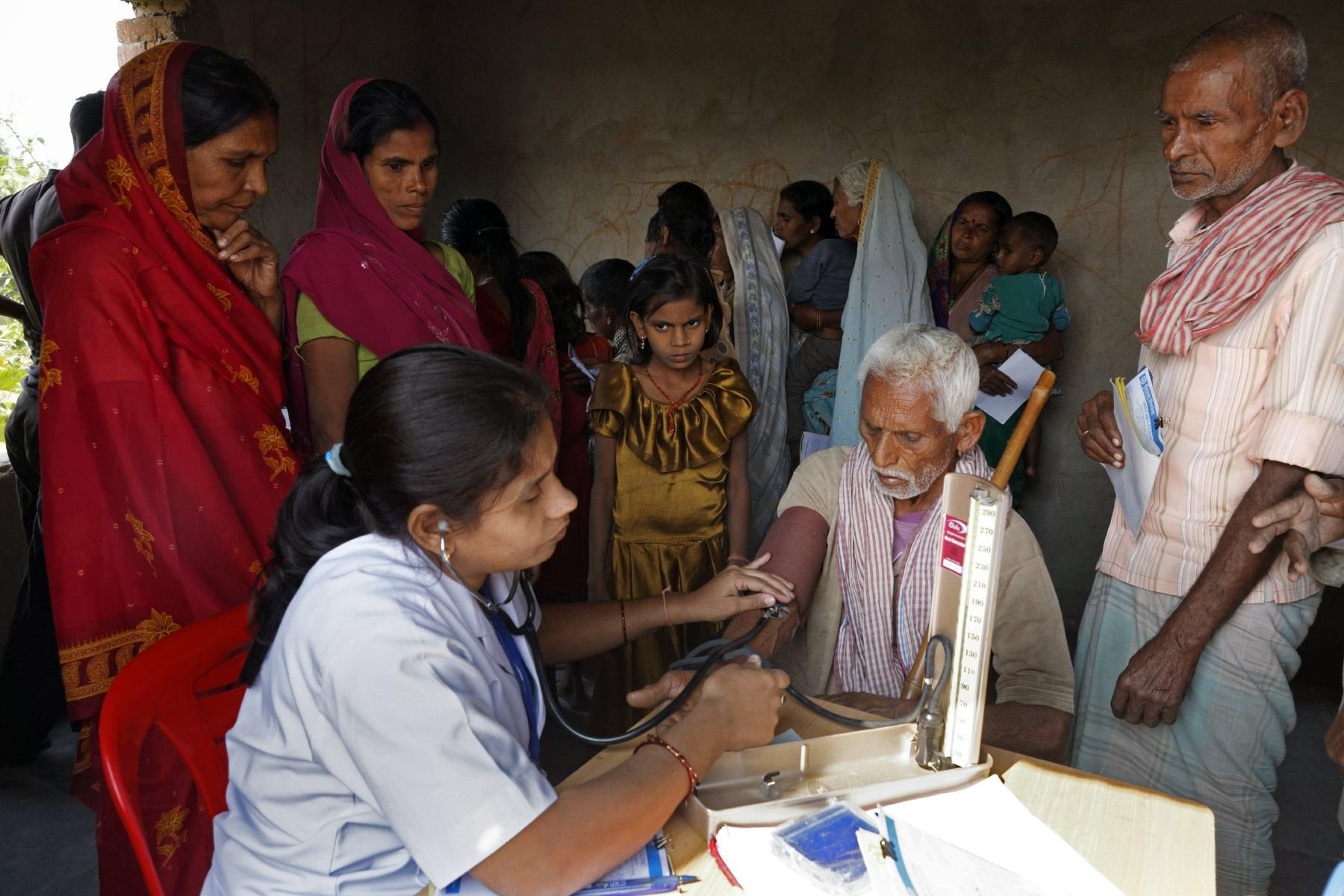
A few weeks later, a local volunteer named Ramesh organized a simple health gathering under a shade tree in the main market square. He didn't use any posters or fancy slides. He brought a local doctor, set up two free blood pressure cuffs, served fresh tea, and spent two hours answering plain-English questions about why so many people in the neighborhood were feeling constantly tired.
Over eighty residents showed up, got their blood pressure tested for the first time in their lives, and walked away with simple, actionable advice they could actually use.
That stark contrast highlights a truth every experienced health worker knows: real community health awareness isn't about lecturing people from above or handing out dry medical pamphlets. It is about building trust, listening to real needs, and creating simple, engaging events that inspire people to take care of themselves and their families.
Listening Before You Plan
The single biggest mistake health planners make is assuming they already know what a community needs before spending time on the ground.
If you design a health awareness campaign focused entirely on gym exercise in a low-income neighborhood where people work ten hours of physical labor every day, your message will fall completely flat. Similarly, launching a campaign about rare genetic conditions when half the neighborhood is dealing with unmanaged diabetes and high blood pressure is a massive waste of resources.
Effective planning starts with quiet observation and active listening. Walk around the neighborhood. Talk to local schoolteachers, shopkeepers, elders, and mothers.
Ask basic, open-ended questions: What health worries keep families up at night? Where do people go when they get sick? Do they have easy access to clean drinking water, fresh food, and safe places to walk? What prevents them from going to a clinic for routine checkups?
Gathering these real-world insights ensures that your health campaign addresses actual daily struggles rather than imaginary problems.
Partnering with Local Trusted Voices
People rarely change their habits because an outside organization tells them to. They change because someone they already know and respect shares valuable advice with them.
When planning a community health drive, identify the trusted voices in the neighborhood. This includes retired teachers, local religious leaders, well-known sports coaches, neighborhood shop owners, and active women's group coordinators.
Involve these local leaders right from the initial planning stages. Ask for their feedback on your ideas, invite them to host health meetings, and let them introduce your medical team to the community. When a respected local elder stands up and gets their blood pressure checked first, it removes fear and encourages dozens of hesitant neighbors to line up right behind them.
Empowering local youth groups and volunteers to spread the word creates a ripple effect of trust that no billboard or social media ad can ever match.
Designing Health Camps That People Actually Attend
Organizing a free health screening camp sounds straightforward, but getting busy people to actually show up requires careful thought and logistics.
Location is everything. Choose a place that is already familiar, safe, and easy to reach—such as a neighborhood school, a community hall, a local park, or a place of worship. Avoid locations that require expensive bus trips or long walks for senior citizens.
Timing matters just as much. Scheduling a health camp on a Tuesday morning at 10:00 AM means working parents and daily wage earners cannot attend. Instead, host events on weekend mornings or late afternoons when families can walk over together without sacrificing their income.
Keep the camp setup friendly and efficient. Offer essential, fast screenings—like blood pressure checks, quick blood sugar tests, eye exams, and basic dental checks. Ensure people aren't standing in line for hours in the sun by setting up a simple token system and offering shaded seating with clean drinking water.
Communicating in Simple, Relatable Language
Medical terminology is a massive barrier to public health. Words like "hypertension," "cardiovascular risk," and "glycemic index" mean very little to someone who just wants to feel energetic enough to work and play with their grandchildren.
Strip away the medical jargon completely. Speak in plain, conversational language that connects with daily life.
Instead of talking about "hypertension," explain blood pressure using a simple garden hose analogy: when the water pressure inside the hose gets too high, it puts stress on the rubber pipe. Similarly, high blood pressure puts stress on your blood vessels and heart. Instead of lecturing about "diabetes management," talk about how extra sugar builds up in the blood when the body's energy door gets stuck.
Use visual aids, live demonstrations, and interactive Q&A sessions. Showing people how much sugar is hidden inside a single bottle of soda by pouring real sugar into a glass makes a far stronger impression than showing a scientific chart.
Turning One-Day Events into Long-Term Habits
A successful health camp shouldn't be a one-time circus that leaves town and is forgotten a week later. The real value of community health planning is creating lasting change.
When someone discovers they have high blood pressure or blood sugar during a screening camp, don't just hand them a scary piece of paper and send them home. Connect them immediately with a local primary health center or family doctor for affordable follow-up care.
Hand out simple, durable health tracking cards where attendees can record their numbers. Set up regular monthly checkup days at the local community center so people can track their progress over time.
Encourage the community to build its own health initiatives—like starting morning walking groups, organizing community kitchen gardens for fresh vegetables, or hosting monthly health discussion circles for seniors.
Keeping the Momentum Alive
Building a healthy community is a continuous journey, not a single weekend event.
After every health drive, gather your team and local volunteers to review what worked well and what needs improvement. Share positive success stories with the neighborhood—like highlighting how many residents successfully lowered their blood pressure over six months—to inspire others to join in.
When health awareness is rooted in genuine empathy, local partnerships, simple language, and continuous support, it transforms neighborhoods into vibrant, healthy communities where everyone can thrive.

