The Two-Hour Bus Ride for a Five-Minute Blood Test
My grandmother lived in a quiet farming village about forty miles away from the nearest district hospital. A couple of years ago, her doctor needed routine blood work done to monitor her diabetes and kidney function. What should have been a simple five-minute blood draw turned into a grueling, whole-day ordeal.
Because my grandmother had severe arthritis in both knees, getting her into a crowded local bus was painful. We spent two hours bouncing over dusty, broken rural roads, waited in a humid hospital hallway for another ninety minutes surrounded by coughing patients, and then made the long, exhausting two-hour trip back home. By the time we walked through the front door, she was completely spent, her knees were painfully swollen, and her blood pressure was dangerously high from stress.
I remember standing in her living room thinking there had to be a better, more humane way to do basic medical testing.
That frustrating experience is something millions of families experience every day. Whether you live in a remote farming town, work in a busy factory, or care for an elderly parent who cannot travel easily, going to a centralized laboratory is a massive barrier to preventive healthcare.
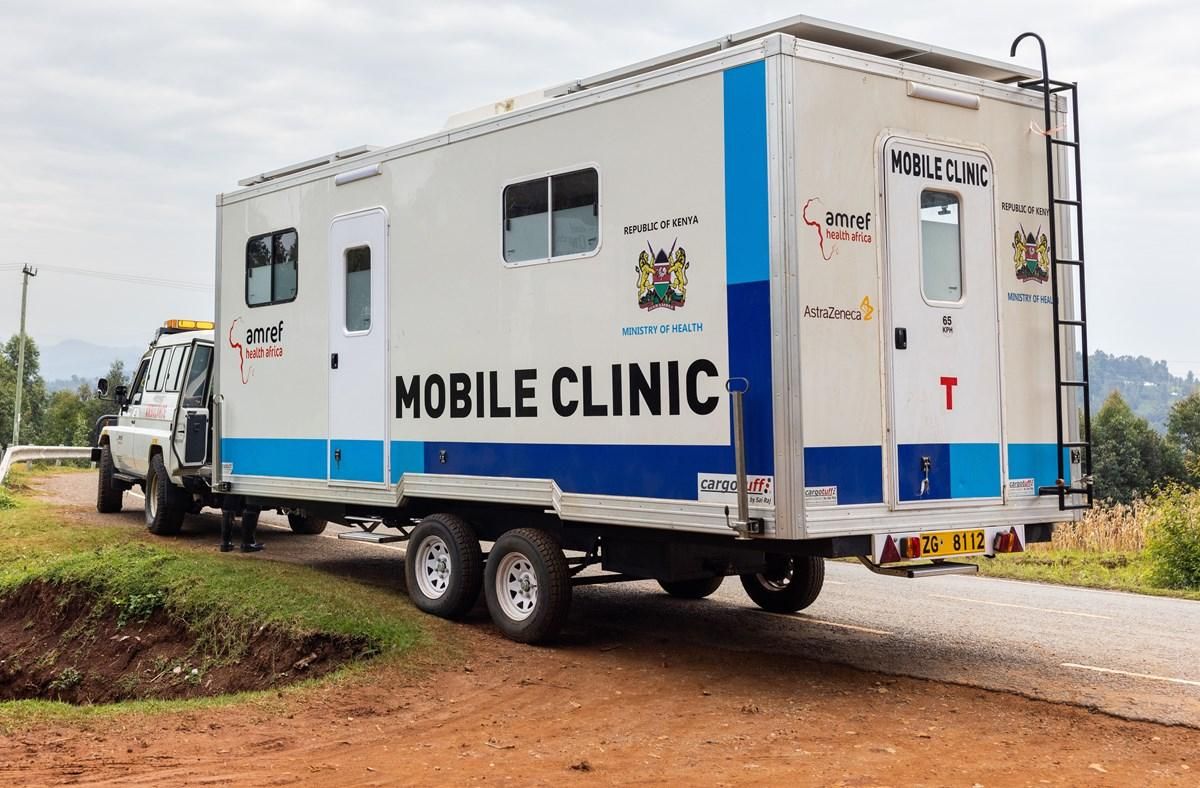
That is why mobile clinical testing units have rapidly revolutionized public health. Instead of forcing sick or vulnerable people to travel long distances to reach a hospital, these customized diagnostic vans bring state-of-the-art laboratory technology directly to people's doorsteps.
What Is Inside a Modern Diagnostic Van?
When most people picture a mobile clinical testing unit, they imagine a basic van with a few plastic chairs and a box of band-aids. Modern mobile labs are far more sophisticated than that.
Today's mobile clinical testing units are essentially high-tech, climate-controlled mini-laboratories built on wheels. Inside, they house compact point-of-care blood analyzers, centrifuge machines, digital ECG equipment, and specialized cold-chain refrigeration units to keep sensitive blood and urine samples perfectly preserved.
Some larger mobile units even feature ultra-low-dose digital X-ray machines, portable ultrasound scanners, and private consultation booths where patients can speak with a healthcare professional in total privacy.
What makes these units truly revolutionary is cloud connectivity. As soon as a phlebotomist draws blood or a technician takes an ECG reading inside the van, the diagnostic data is instantly uploaded to a secure digital cloud network. A specialist doctor sitting in a major city hospital miles away can review the test results within minutes and send an accurate digital report back to the patient's phone before the van even leaves the neighborhood.
Reaching Rural Communities and Underserved Areas
In many rural regions around the world, healthcare facilities are miles apart, and public transport is either unreliable or non-existent.
When getting a routine diagnostic test requires taking a full day off work and spending a quarter of your weekly wage on transportation, people simply skip the tests. Chronic conditions like diabetes, hypertension, high cholesterol, and early-stage kidney disease go completely unnoticed for years until a sudden medical emergency occurs.
Mobile clinical testing units remove geographic barriers entirely.
A single mobile unit can visit three different remote villages in a single week. It sets up in a local schoolyard, community hall, or village square, offering free or low-cost health screenings to hundreds of residents in a single afternoon. Farmers, homemakers, and elderly citizens can get their blood pressure checked, test their blood sugar, and get screened for common health conditions without missing a day of work or spending money on travel.
By detecting health issues early right in the village, mobile clinical units prevent minor treatable conditions from turning into expensive emergency hospitalizations.
Workplace Wellness Screening and Disaster Response
Mobile testing units are not just for remote rural villages. They are increasingly used by smart corporations, construction sites, and industrial manufacturing plants.
Arranging for three hundred factory workers or corporate employees to travel to a clinic for annual health checks causes massive operational downtime and lost productivity. A mobile clinical testing unit solves this problem by parking right outside the workplace facility. Workers can step out of the factory floor, complete their blood draws, vision tests, and lung function screenings in fifteen minutes, and return to their duties without disruption.
Furthermore, mobile clinical units play a vital role during natural disasters and public health crises.
When floods, earthquakes, or disease outbreaks destroy local hospital infrastructure, mobile diagnostic vans can deploy within hours to establish immediate testing centers. They allow relief teams to test water quality, screen for infectious diseases, and monitor vulnerable populations in temporary shelters when static hospitals are completely out of commission.
Comfort, Dignity, and the Future of Doorstep Diagnostics
At its core, mobile clinical testing is about restoring human dignity and comfort to healthcare.
For elderly patients, bedridden individuals, or people with severe mobility impairments, leaving home for a diagnostic test is emotionally scary and physically painful. Being able to step into a clean, air-conditioned mobile unit parked right outside their driveway—or having a trained technician walk into their living room with portable equipment—makes healthcare feel safe, gentle, and respectful.
As point-of-care testing technology gets smaller, faster, and more accurate, the reliance on giant centralized hospital labs will continue to decrease.
The future of medicine isn't about making patients travel farther to reach the hospital. It's about bringing the hospital to the patient. Mobile clinical testing units are leading that transformation, ensuring that no matter where you live or how old you are, quality healthcare is always within reach.

