It's not black magic. That gray metal box full of blinking LEDs is just making decisions so we don't have to run five miles of copper wire for every single relay.
The Iron Brain of the Factory Floor
Don't overthink the hardware. A Programmable Logic Controller is basically just a really tough, really ugly computer. Put a normal laptop on a stamping press and the vibrations will kill the hard drive by lunchtime. A PLC takes that exact same abuse for ten years and never even needs a reboot.
It does three things every single scan time cycle:
- Looks at the physical inputs (Is the limit switch made? Did someone press the emergency stop?).
- Runs through the logic you wrote.
- Fires the outputs (Opens a valve, starts a VFD).
That happens hundreds of times a second.
Ladder Logic: Wiring Diagrams on a Screen
When you open ladder logic, don't expect C++ or Python. The guys who invented this stuff back in the day designed it to look exactly like a relay wiring schematic so the plant electricians wouldn't quit their jobs.
You draw two vertical rails for power and drop your contacts in between. If you can read an electrical schematic, you can read ladder. Instead of running copper from a button to a coil, you draw a line on your screen.
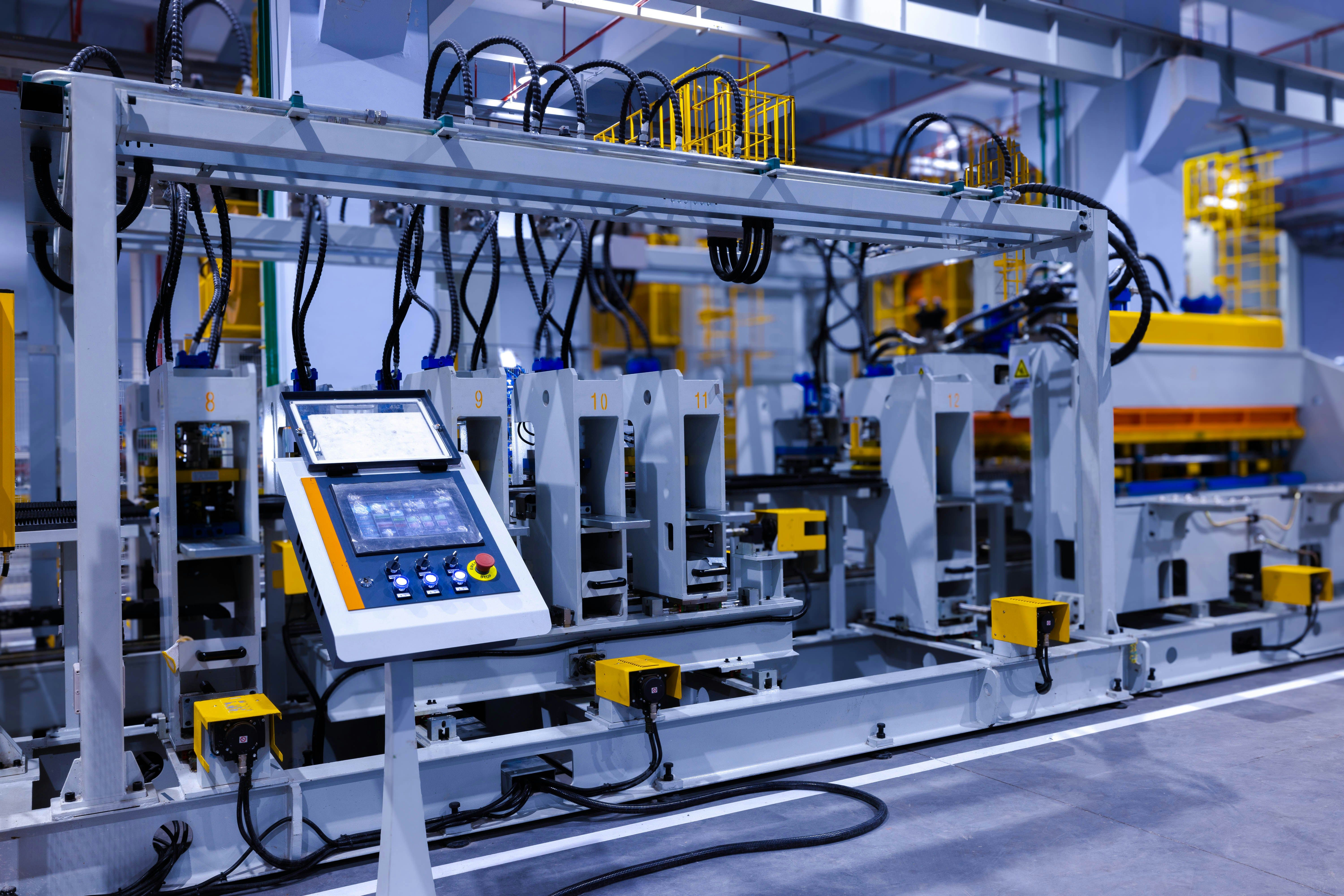
The Hardware Reality: Siemens vs. Allen-Bradley vs. Delta
You cannot write a single line of logic until you pick your hardware. Forget the marketing brochures. Here is what you actually need to know about the software you will be forced to use on the floor.
Allen-Bradley (Rockwell)
The absolute standard in North America. Studio 5000 is incredibly user-friendly and online edits are a breeze. But the Rockwell license pricing will literally make a small plant owner sweat. It is not cheap.
Siemens
If you are outside North America, you will run into Siemens. Their software is TIA Portal. They throw everything—PLC code, touchscreens, drives—into one giant file. Sounds great until you try to open it. It eats RAM like crazy. If you only have 16 gigs of memory, good luck. You will sit there watching a loading bar freeze while your laptop fan screams. You practically need a high-end gaming PC just to connect to the controller.
Delta
The undisputed king of budget machinery. If you are building a small packaging machine on a tight budget, you use Delta. The best part? Their WPLSoft and ISPSoft programming environments are completely free. You won't spend a single dime to learn it at home.
Writing Real Logic (Not Just Theory)
Let's write a simple motor latching circuit. We want a start button to kick on a pump, and a stop button to shut it down.
Setting Up the I/O
You need to map the physical wiring to your software tags.
- Start Pushbutton: Input 0.0 (Wired Normally Open)
- Stop Pushbutton: Input 0.1 (Wired Normally Closed)
- Pump Contactor: Output 0.0
Pro Tip: Physical wiring dictates your software logic. Because the stop button is wired NC in the field, it constantly feeds a high signal (1) to the PLC. In your logic, you use a Normally Open contact for the stop command. If a wire breaks, the signal drops to 0, and the machine stops safely.
Building the Latch
You drop your Start contact and Stop contact on a rung, and end it with a Coil for the pump. But buttons have springs; you let go, the signal dies. You need a latch.
You add a branch parallel to the Start button, using a contact from the Pump output itself. When the pump fires, it seals itself in.
The Field Reality: In a textbook, this works perfectly. On a real plant floor, if a physical safety relay trips upstream, your pump loses power but your software latch might still be active. You always have to write logic that resets the latch if the drive faults out.
Going Online
You connect your Ethernet cable and configure your IP address. This is usually where you spend an hour fighting with communication drivers like RSLinx or SIMATIC Net just to get your laptop talking to the processor. And watch out for firmware mismatches; trying to dump a v32 program into a v30 controller will instantly halt your progress.
Once connected, you hit Download. Do not confuse 'Download' with 'Upload'. Downloading overwrites the PLC brain with your laptop's file. If you do this on a running machine without warning the operator, you will crash the line.
Ditch the Traffic Light Projects
Every tutorial tells you to program a traffic light. Don't. Nobody hires a controls engineer to build traffic lights. Build projects that actually exist in factories.
Try these in a free simulator:
- A basic batching tank: Open a fill valve until a level sensor hits high, turn on an agitator for 30 seconds, then open a drain valve.
- A bottle rejection line: Grab a high-speed counter tag to watch product fly by. When the photo-eye sees a bottle without a cap, write a timer that fires an air cylinder down the line to knock the reject into a bin.
- Contactor feedback: Command a motor to start, then use an auxiliary contact to prove it actually pulled in. If it fails, lock out the sequence and throw a red banner on the operator panel.
Industrial automation is about handling the chaos of physical physics with rigid digital rules. Get a free software copy, start building real logic, and get used to troubleshooting. That is the actual job.

