When a main line goes down, it's not just the lost production that gets you. It's the plant managers and shift supervisors standing right over your shoulder, staring at the back of your head while you're elbow-deep in some control panel trying to trace a tripped drive. I’ve dealt with blown hydraulic pumps, air compressors literally smoking, and panels that look like absolute spaghetti.
I’ve spent half my career fixing equipment that was "just working fine yesterday." The truth is, machines rarely blow up because of one massive error. They usually die a slow death by a thousand small things that everyone kept putting off until next week.
Don't Wait Until the Machine Fails
The whole "run-to-failure" mindset is still everywhere. Plants just kind of ignore a machine until it locks up in the middle of a shift. Preventive maintenance is what breaks that cycle, but that's only if the maintenance crew actually follows the schedule. You hand a tech a clipboard and tell him to "check the pump"—yeah, that almost never works. Take a hydraulic power unit. Your PM shouldn't just say "inspect." It needs to be painfully specific. Like, "Isolate power. Check fluid sight glass. Pull the suction strainer, look for metal shavings. Test pressure relief."
We learned this the hard way with CNC lubrication a while back. Operators were supposed to top off the waylube tanks, but nobody bothered putting labels on them. Somebody ended up topping off a system with standard motor oil instead of the ISO 68 slideway lube we actually needed. Standard oil doesn't have tackifiers in it, so it just ran straight off the vertical axis. We were so sure the axis motor was drawing high current because of a bad servo drive. Spent hours measuring voltage drops, messing with servo parameters. Turns out, the ways were just bone dry and actively scoring. Writing the exact ISO viscosity right on the reservoir cap with a paint pen would have saved a massive repair bill and a week of downtime.
Start With the Simple Things
The machine is running fine. Then it isn't. No warning, no obvious alarm—just a production line sitting there.
When a tech pulls out his phone to google a fault code on the floor, he doesn't care about the engineering theory behind it. He just needs to know which bolt to turn. I remember a few months ago we had this big rotary screw air compressor start overheating and constantly tripping the high-temp alarm. Everyone's first instinct is to immediately blame the motor, or just assume the whole air end is completely shot. We were literally hours away from ordering a replacement motor for a few grand.
Thing is, I rarely see the motor being the actual problem.
We ended up checking the oil cooler radiator and found it completely choked solid with factory dust. Also, the thermal bypass valve was jammed closed. Because if the compressor shell is screaming hot but the radiator is cool, the thermal valve is probably dead. Replaced a cheap thermal element, washed out the cooler, and the thing ran perfectly. Which means you always check your cooling paths before condemning a massive air end.
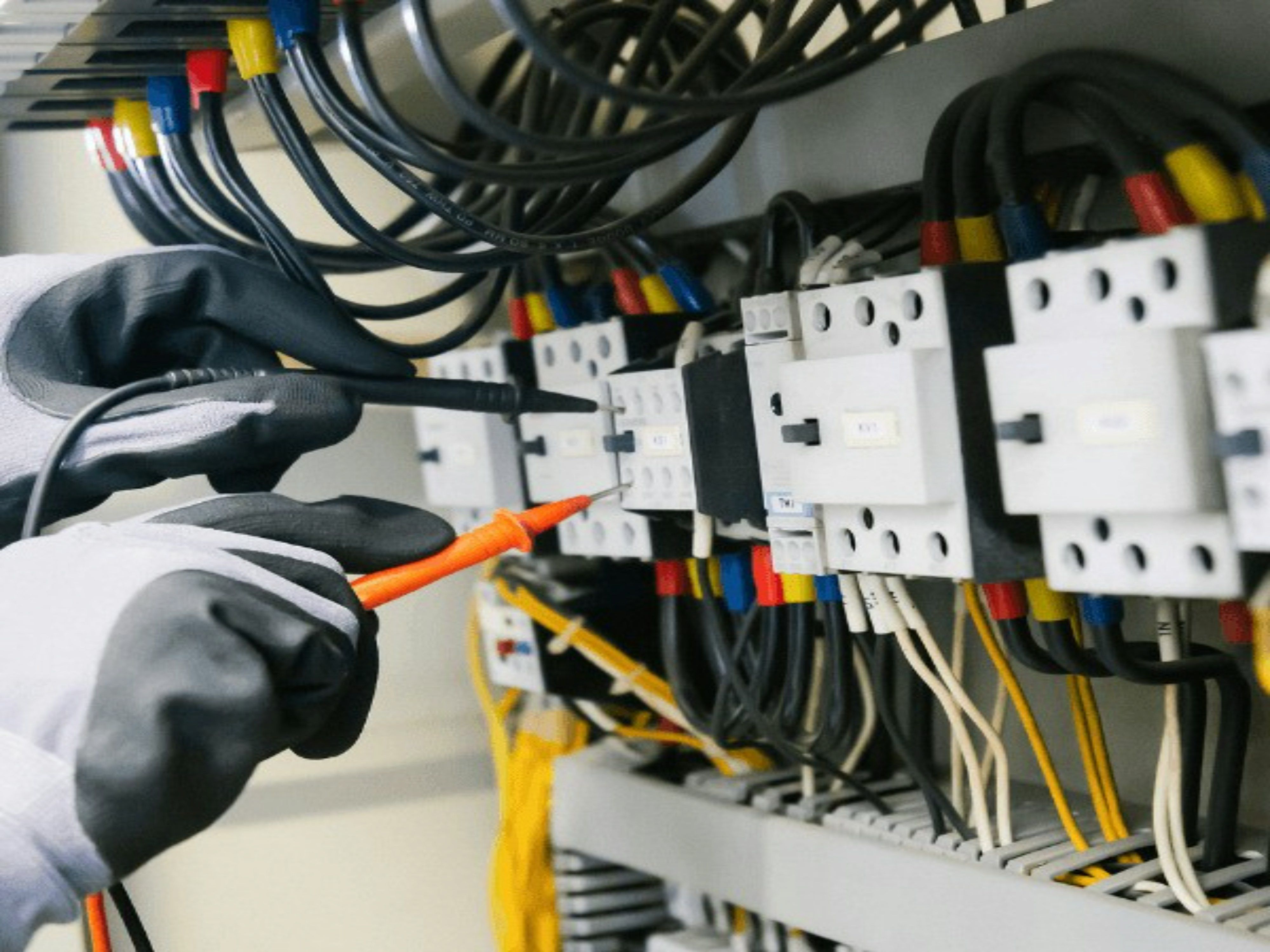
Electrical faults are another massive headache. When a PLC throws some vague fault code, it's so tempting to just cycle the power and pray it goes away. But a multimeter and a methodical check of the 24V DC circuit can often narrow the problem down much faster. Especially since machine vibration just loosens terminal blocks constantly.
We spent most of a Tuesday afternoon chasing a jam on a packaging line once. By the time I got involved, we'd already checked the sensors twice, completely messed up the cylinder pressure trying to adjust it. Finally, one of the line operators just happens to notice that a small proximity sensor bracket was sitting bent backward. Maybe by a millimeter or two. The machine literally couldn't see the box passing by. You spend four hours looking for some complex logical fault, and it turns out to be a bent piece of cheap metal.
Safety Is Not the Shortcut
Doing boiler maintenance? That requires a hard checklist based on strict safety protocols. The pressure inside a 500 HP boiler isn't something you take chances with. A basic maintenance checklist should cover things like:
- Pressure relief valve certification dates.
- Low-water cutoff functionality.
- Throwing a real, physical LOTO padlock on the main steam valves before anyone even thinks about cracking an inspection hatch.
Because if that low-water cutoff switch fails and the boiler fires dry? The tubes melt down in minutes.
It's like watching operators tape over the optical sensors on a stamping press just so they can clear scrap without resetting the machine. People will always take the absolute path of least resistance if you let them. That's why your LOTO locks need to be strictly tied to one person. The guy who snaps the lock shut is the only one with the key. Period. No master keys sitting in the supervisor's desk.
Same deal with PPE on the wet side of the plant. I've seen guys try to swap out a mechanical seal on a caustic pump wearing nothing but a cotton t-shirt and safety glasses. It's insane. If that line hasn't been flushed properly and it burps, you're going to the hospital. Throwing on the heavy rubber apron and the rated gloves takes maybe two extra minutes.
Where Predictive Maintenance Actually Helps
Honestly, the biggest change I’ve noticed on the maintenance side lately is that we’re just waiting less often for a machine to actually fail. Predictive maintenance isn't some complex theory. It's pretty simple: catch the problem before the machine gives up completely.
Like if you have a heavy blower motor, slapping a cheap IoT vibration sensor onto the bearing housing can save massive headaches. Long before that bearing actually shatters and ruins the main shaft, the sensor picks up on the frequency shifting. So you get an alert, which gives you actual lead time to order a replacement.
And you don't even need expensive setups for a lot of this. A thermal imaging camera attachment for your smartphone works wonders. Just walk past your electrical panels and shoot them. A noticeably hot contactor or connection can be a sign of high resistance or an overloaded connection. Either way, you fix it before it catches fire.
Same goes for parts. Cheap knock-off bearings on a main conveyor drive tend to cost way more in the long run than genuine SKF or Timken units. Trying to save fifty bucks up front usually ends in a few hours of unscheduled line stoppage anyway.
Tools matter just as much. We used to align motors to pumps using a straight edge and feeler gauges. I mean, it worked, but it took forever and wasn't perfectly accurate. Switching to a proper laser alignment tool was a huge upgrade for us. Proper alignment can significantly extend bearing and coupling life, and can also reduce unnecessary power losses. Because shaft misalignment can increase mechanical loads, contribute to coupling wear, and sometimes increase power losses. A laser simply takes the guesswork out of the shim calculations.

