Cutting Electricity Waste Without Turning Off the Lights
Every month, business owners and homeowners open their electric bills and scratch their heads. The total amount is almost always higher than expected. The knee-jerk reaction is usually to shut off air conditioners, turn off half the lights, or complain to staff. But those quick fixes rarely solve the real problem.
Truth is, most energy waste happens quietly in the background when nobody is paying attention.
Walk around any commercial shop, factory, or office building after hours. You'll hear air compressors cycling in empty bays. You'll see display lights glowing in locked showrooms. Transformers sit on walls hummed up, pulling standby power 24 hours a day. That isn't just a bad habit—it's money leaking straight out of your bank account.
Smart power optimization is just a practical way to plug that leak. You stop guessing where your kilowatts go. Instead, you track electrical current line by line as it flows through your breaker panel.
How Real Monitoring Catches Energy Leaks
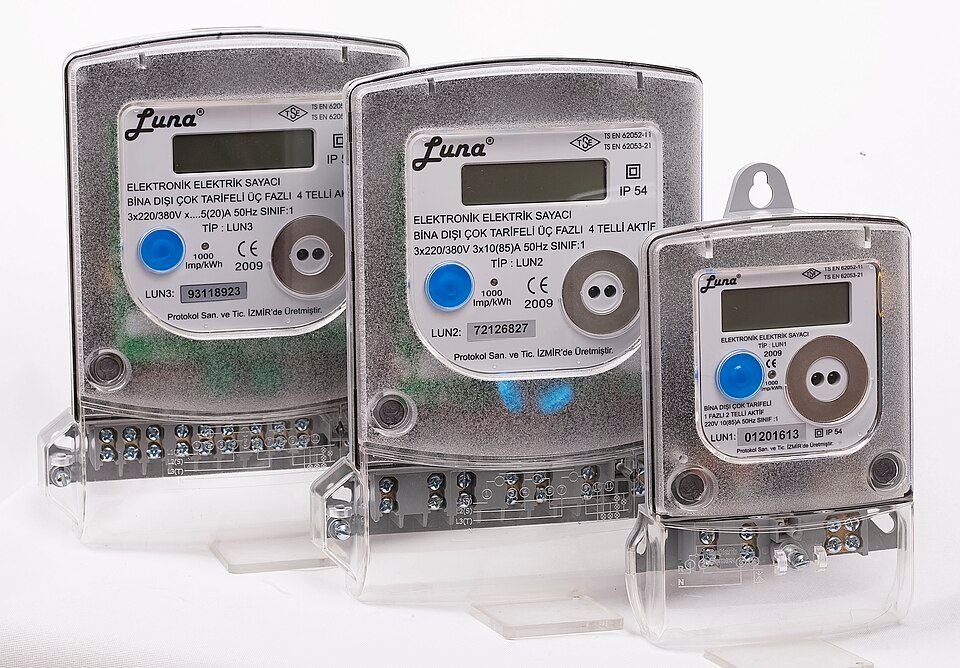
Your standard utility meter sits outside on the wall and counts overall kilowatt-hours. That's all it does. It gives you one big number at the end of the month, but it won't tell you why your bill jumped 30 percent in July. Was it a stuck compressor relay? A bad AC capacitor? A walk-in cooler fan running non-stop?
You have no idea until you open up the main panel.
That's where current transformer clamps—or CT clamps—come into play. These little donut-shaped sensors clip right around individual hot wires inside your breaker box. They measure the exact amp draw on specific circuits without cutting any wires. One clamp tracks your main AC unit, another tracks your shop machinery, and another monitors office lighting.
In commercial buildings with 3-phase power, these clamps monitor all three legs of electricity. If one phase is pulling way more current than the other two, your system is unbalanced. That imbalance wastes power and causes electric motors to run hot.
The clamps connect to a small digital controller on the wall, which pushes live reading data straight to your phone or computer. If a 10-horsepower motor starts dragging extra current at midnight, your phone gets an immediate alert. You catch a failing bearing, a leaking air hose, or a stuck switch before it burns out the motor or jacks up your monthly bill. Simple as that.
What Hardware You Actually Need
Setting up a real power monitoring system does not mean rewiring your building or tearing out your electrical box. The hardware is straightforward.
You need CT clamps clipped onto your heavy load lines. You need a small digital controller or IoT gateway to collect sensor data. And you need basic monitoring software that turns raw numbers into simple trend graphs on your screen. Standard Ethernet cables or local Wi-Fi keep all the hardware communicating in real time.
Once the hardware is mounted on the wall, you stop guessing and start seeing exact wattage numbers as your machines run.
Where Energy Savings Actually Come From
Different buildings bleed power in different ways, so you focus on whatever draws the most juice in your setup.
In a house, your biggest power hogs are the central AC unit, electric water heater, pool pump, and EV charger. Running those heavy loads at the same time drives up your peak power draw. Staggering them with smart timers—so your car charges at 2 AM while the water heater rests—keeps your peak electrical draw low.
In an office tower, HVAC units and indoor lighting take up most of the energy budget. Installing basic occupancy sensors and setting nightly setback temperatures stops you from cooling empty conference rooms all weekend.
Out in a manufacturing plant, heavy electric motors, chillers, and compressed air lines drain huge amounts of grid power. Compressed air is notoriously inefficient. When an air line develops a tiny leak, the compressor cycles twice as often as it should. Continuous circuit monitoring catches that extra cycling right away, saving thousands in wasted electricity and preventing surprise equipment failure.
In data rooms and server closets, server racks generate intense heat around the clock. Tying smart cooling fan controls directly to server processing load lets fan speeds drop when network traffic slows down, trimming cooling costs automatically.
Understanding Power Factor and Utility Penalties
Most people don't realize that electric utilities penalize commercial businesses for bad power quality. One major hidden cost is low Power Factor.
Electric motors, transformers, and fluorescent lighting ballasts don't just consume active power (measured in kilowatts). They also draw reactive power to create magnetic fields. If your equipment draws too much reactive power, your Power Factor drops below 0.90 or 0.95. Utility companies add heavy penalty charges to your bill when that happens.
Smart power optimization systems track your Power Factor continuously. When your Power Factor drops, automated capacitor banks kick in to balance the electrical load. That keeps your Power Factor close to 1.0, wiping out utility penalty fees completely.
Beating Peak Demand Charges and Time-of-Use Rates
If you run a commercial electric meter, you already know about demand charges. Power companies don't just bill you for total electricity used; they slap heavy penalty fees on your highest 15-minute power spike of the month. A single bad afternoon where every motor, AC unit, and heater runs simultaneously can jack up your bill by 40 percent.
Smart optimization handles this through automated load shedding.
When your total power draw creeps close to your pre-set safety threshold, the controller steps in. It temporarily dials back non-essential loads—like dimming hallway lights or pausing a water heater for ten minutes. That quick delay keeps your peak draw under the penalty threshold, saving serious money on monthly surcharges.
Many utility companies also use Time-of-Use (TOU) rates, where electricity costs twice as much during afternoon peak hours. Smart controllers automatically shift flexible tasks—like running water pumps or charging forklift batteries—to cheap off-peak hours.
Making Solar Panels and Batteries Work Harder
If you already have rooftop solar panels or battery storage, smart power optimization makes them far more effective.
On bright sunny afternoons, solar panels often generate more electricity than your building can use. Instead of sending excess power back to the grid for pennies, a smart controller directs that power into your battery bank or uses it to run heavy water heaters.
Then, when 5 PM hits and grid power rates spike, the system flips over to stored battery power automatically. You run your facility off your own stored energy during the most expensive hours of the day.
How to Get Started Without Spending a Fortune
You don't need a massive capital budget to start cutting energy waste.
Start by pulling your last six utility bills to see when your demand spikes and high charges occur. Next, mount CT sensor clamps on your main electrical lines to track your three largest loads—usually your main AC unit, heavy motor lines, or water heaters. Set automated schedules on your lighting and HVAC systems so nothing runs overnight unnecessarily.
Check your usage graphs once a week to spot strange power spikes or equipment dragging extra current. Taking these practical steps puts you back in control of your energy costs and keeps your building running smoothly.

